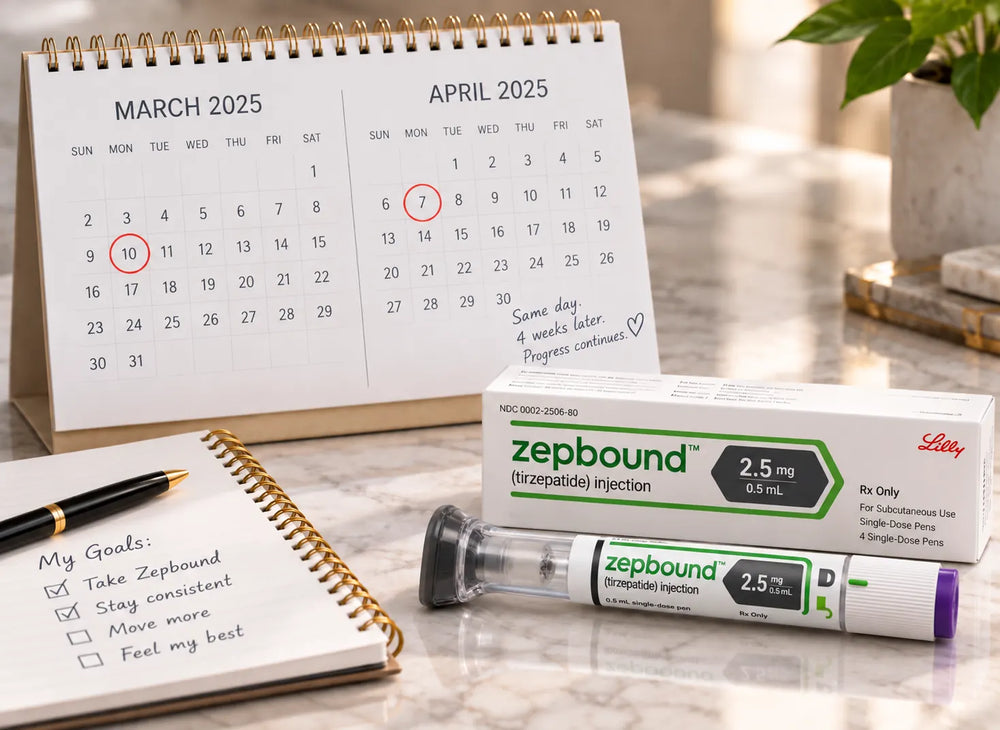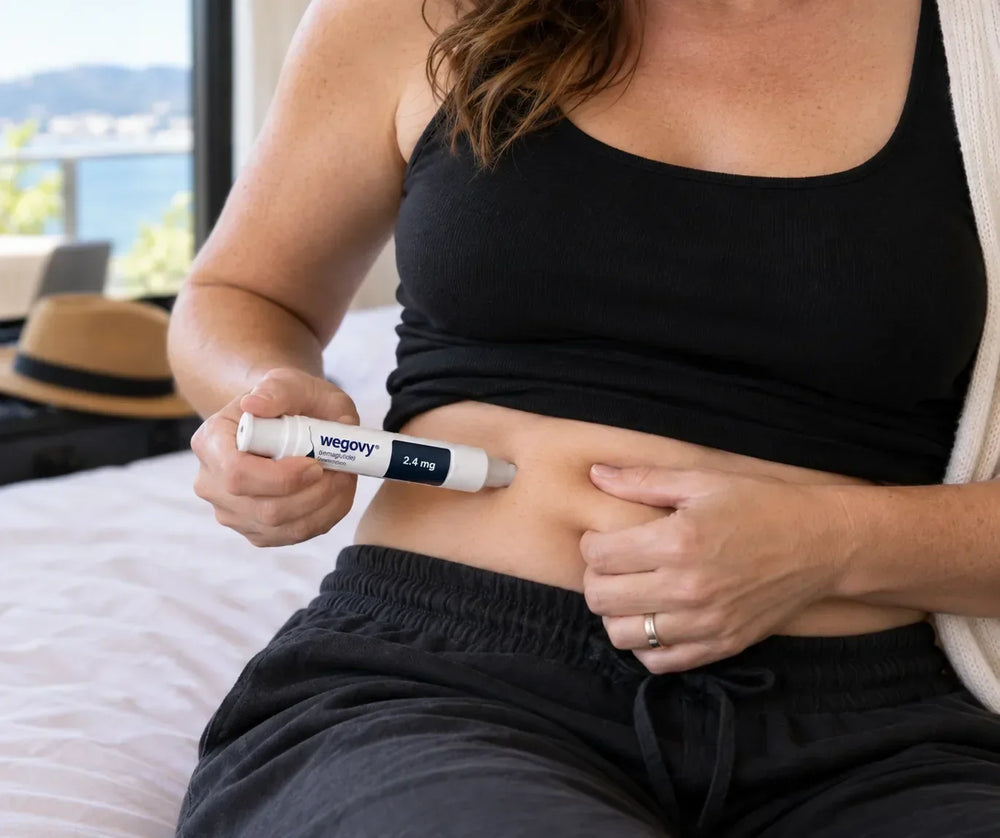

Starting Zepbound, Mounjaro, Ozempic or Wegovy can already feel like a big step. If your first injection happens to fall just before a flight, you may have another question: Is it okay to fly right after my first GLP-1 shot, and what should I be prepared for?
There is no general rule saying that you cannot fly simply because you have just started one of these medications. However, your first dose introduces an unknown: you do not yet know exactly how your body will respond. On a plane, access to a bathroom, familiar food, fluids and medical care can also be more limited.
Here is what travelers should know before combining a first dose with a flight.
What might you feel after your first dose?
Zepbound and Mounjaro contain tirzepatide, while Wegovy contains semaglutide. These medications affect appetite and digestion, including slowing the rate at which the stomach empties.
According to the official Zepbound Prescribing Information from Eli Lilly, commonly reported side effects include nausea, diarrhea, vomiting, constipation, abdominal pain, indigestion and reflux and possibly could also include changes in vision, headache, gallbladder problems, increased pancreatic enzymes
The Mounjaro Prescribing Information similarly lists nausea, diarrhea, decreased appetite, vomiting, constipation, indigestion and stomach pain among common adverse reactions.
For semaglutide, the official Wegovy Prescribing Information lists common side effects including nausea, diarrhea, vomiting, constipation, abdominal discomfort, fatigue, indigestion, dizziness and bloating.
That does not mean you will experience these symptoms immediately after your first injection—or at all. Individual responses vary considerably.
It is also worth avoiding overly precise claims such as “side effects start six hours after your shot.” There is no universal post-injection timetable that applies to everyone. Clinical trial data instead show that gastrointestinal symptoms are particularly common during periods when doses are being increased and may become less troublesome over time.
Why can a flight make mild side effects more inconvenient?
Imagine developing nausea halfway through an eight-hour flight. At home, you might change what you eat, rest, sip water slowly or easily reach a bathroom. In the air, those options are more restricted.
Dehydration can become more important
Nausea, vomiting and diarrhea can cause fluid loss. The prescribing information for these medications warns that dehydration associated with gastrointestinal symptoms can contribute to kidney problems.
For general air travel, the CDC Yellow Book guidance for travelers with chronic illnesses recommends planning ahead for medications, hydration and medical needs during travel.
Long flights also involve prolonged sitting. According to the CDC's guidance on blood clots during travel, journeys lasting more than four hours can increase blood-clot risk in susceptible travelers. For diabetes patients, there are higher risks for bad circulation, therefore cinically doctors will advise patients to walk the aisle every 1-2 hours
This is a general travel consideration rather than a GLP-1-specific side effect.
What should you eat before and during the flight?
Those GLP-1 agonists can be applied in anytime of day, regardless of meals but the enormous airport burger immediately before boarding might not be the best experiment on first-dose day.
Eli Lilly's Zepbound side-effect guidance suggests strategies that may help with nausea, including:
- eating smaller meals,
- stopping when you feel full,
- avoiding fatty foods, and
- choosing bland foods such as toast, crackers or rice when needed.
Other things to remember:
- if you are using insulin, don't inject insulin until your meal is in front of you
-
don't apply your insulin with GLP-1 agonists at the same time
-
avoiding high salty food, too
-
drink enough water
Similar principles can be useful during travel. Rather than relying on one large meal before a long flight, consider smaller portions of foods you already know you tolerate.
You may also want to carry simple snacks rather than depending entirely on airline meals.
Know the difference between uncomfortable and concerning
Mild nausea, reduced appetite, burping or temporary stomach discomfort may be unpleasant, but certain symptoms deserve much more attention.
Severe abdominal pain
The medication guides for these drugs warn about pancreatitis.
Severe abdominal pain that does not go away—particularly pain that may extend toward your back and occur with or without vomiting—is a warning sign that should not simply be assumed to be ordinary medication-related nausea.
The FDA-approved Wegovy prescribing information specifically advises patients to stop the medication and seek medical attention if pancreatitis is suspected.
Persistent vomiting or diarrhea
Occasional nausea is very different from repeatedly vomiting or being unable to keep fluids down.
Persistent vomiting or diarrhea can increase the risk of dehydration and may cause sever kidney problem. If symptoms are severe or ongoing, contact a healthcare professional rather than trying to push through them because you are traveling.
Signs of a serious allergic reaction
Seek urgent medical care if you develop symptoms such as:
- swelling of the face, lips, tongue or throat,
- difficulty breathing or swallowing,
- severe rash,
- fainting, or feel warm with your body
- a very rapid heartbeat.
Serious hypersensitivity reactions are included among the warnings in the official prescribing information for these medications.
Low blood sugar for some people with diabetes
People using Mounjaro, Wegovy or other GLP-1s for diabetes-related treatment should also understand their individual risk of hypoglycemia, particularly if the medication is being used together with insulin or certain other glucose-lowering medications.
Possible signs of low blood sugar include:
- sweating,
- shakiness,
- confusion,
- dizziness,
- weakness, and
- a fast heartbeat.
If you use insulin or another medication that can cause hypoglycemia, discuss your travel plan and glucose-monitoring strategy with your healthcare professional before departure.
Should you take your first dose immediately before a long flight?
There is no manufacturer rule saying everyone must wait a certain number of hours or days between their first injection and flying.
Still, if you have flexibility, there is a practical advantage to learning how your body responds when you are somewhere with less easy access to fluids, familiar food, bathrooms and medical care.
That can be particularly relevant before:
- long-haul flights,
- overnight flights,
- itineraries with multiple connections,
- cruises,
- remote destinations, or
- trips where medical care may be harder to access.
If your prescribed injection date falls immediately before travel, do not independently skip, delay or rearrange your medication solely because of the flight. Ask your prescribing clinician or pharmacist how to handle the timing for your particular medication and treatment plan. According to global health agencies, if you miss one dose which is within 4, 5 days, you should still administer the missing dose as soon as possible.
Prepare your carry-on, not just your suitcase
Medication should generally stay with you rather than going into checked baggage.
The CDC's Traveling Abroad With Medicine guidance recommends carrying prescription medicines in their original labeled containers and bringing enough medication for the entire trip, with extra medication when appropriate in case of unexpected delays.
Avoid keeping your injections in checked luggage and keep them in your carry-on as it reduces the risk of losing access to them or damaging them during transfers.
What about medication cooling supplies?
For U.S. airport security, the Transportation Security Administration's guidance for travelers with medications allows medically necessary medications and associated supplies through security screening.
Medically necessary freezer packs, gel packs and similar accessories may also be permitted, although they are subject to screening.
If your medication requires temperature protection, always check the specific manufacturer's storage requirements for your medication rather than assuming every injectable drug has the same temperature limits.
For international trips, keep in mind to bring your medical prescriptions in order to prevent problems in the airport and verify the rules governing medications at your destination, especially if you are traveling with injectable medication and needles.
A simple pre-flight checklist for your first GLP-1 dose
Before leaving for the airport, consider checking that you have:
- Your medication in your carry-on
- Original prescription packaging where possible
- Appropriate temperature protection if required
- Easy access to water after security
- Simple snacks you know you tolerate
- Any glucose-monitoring equipment you normally use
- A list of your medications and doses
- Your medical prescription
- Travel insurance information, if applicable
- Wear comfortables shoes
- A basic understanding of where you could obtain medical care at your destination
None of these steps mean something is likely to go wrong. They simply reduce inconvenience if you feel different from expected after your first injection.
Bottom line
Flying after your first Zepbound, Mounjaro, Ozempic or Wegovy injection is not automatically a problem. The bigger issue is uncertainty about how your body will respond the first time.
Prepare for possible nausea or digestive changes, stay hydrated, keep meals modest, keep your medication and medical information accessible, and know which symptoms should not simply be “waited out.”
Most importantly, if you have a major trip immediately after starting treatment, discussing the timing with your healthcare professional before departure can make that first journey much less uncertain.
This article is for general educational purposes and is not a substitute for individualized medical advice.
___________________________________________________________________________________
References:
Zepbound Prescribing Information — Eli Lilly
Mounjaro Prescribing Information — Eli Lilly
Wegovy Prescribing Information — Novo Nordisk
CDC — Traveling Abroad With Medicine